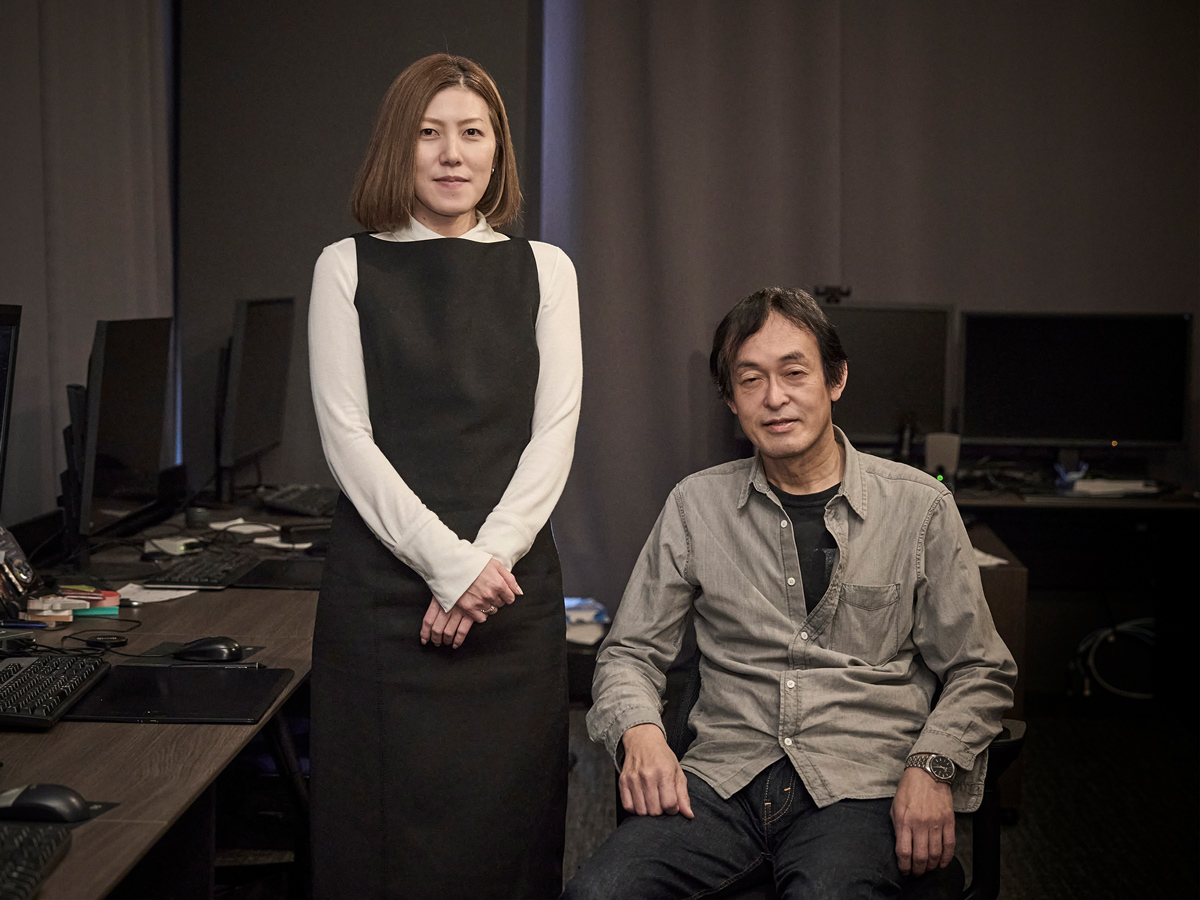
*From the left: Yoko Arai and Yoshiaki Abe, IMAGICA Entertainment Media Services
"Ichikawa Raizo Film Festival: A Momentary Sparkle" Restoration by Yoko Arai x Grading by Yoshiaki Abe - How was a film from over 50 years ago brought back to life? [CINEMORE ACADEMY Vol.36]


Adjusting the grain between negative and positive
Q: What about film grain? There are some remasters out there these days that completely erase the grain.
Arai: In the process of removing dirt and scratches during restoration, grain is inevitably lost. Therefore, it is necessary to decide from the beginning how much grain to maintain. This time, our goal was to aim for the appearance of the film at the time of its release without losing its film-like quality, so we worked in the direction of maintaining as much grain as possible.
The film is produced by scanning the original negative, so it has a lot of information and good image quality, but when it was released, the audience watched a projected positive film. The grain of the negative and the positive are completely different, so if you just scan it from the negative, it can look noisy. We needed to remove the harsh grain of the negative without losing the texture of the film. That was an adjustment we needed to make.
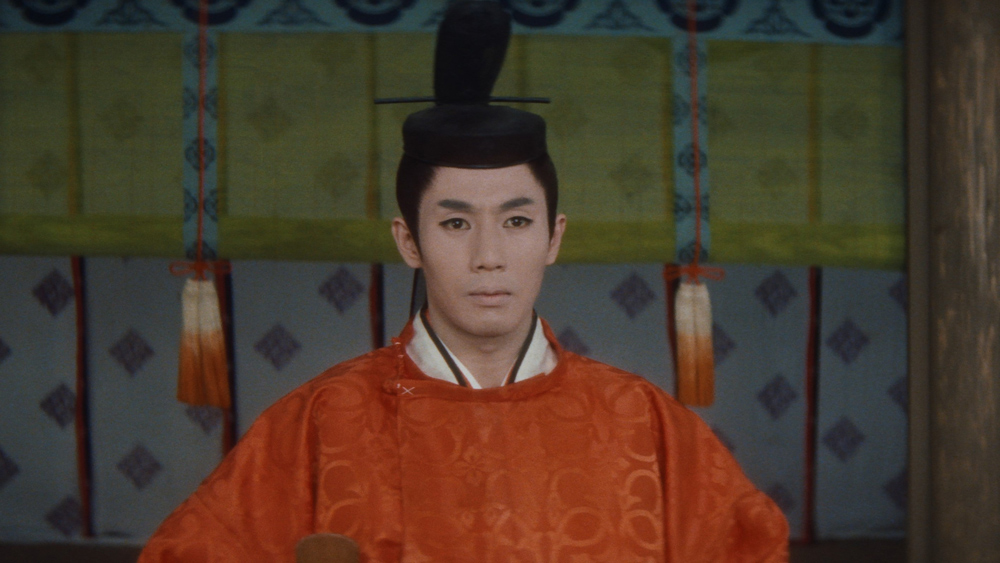
"New Tale of Genji" ©KADOKAWA 1961
Q: When I watched the 4K digital restoration of " The Tale of Genji ," the indoor scenes, which were probably shot in a studio, and the outdoor scenes, which were probably shot on location, had completely different graininess, probably due to the difference in the amount of light. The indoor scenes had a film-like feel, but the outdoor scenes had a clear impression, like digital. Did they look that clear in the past?
Abe: We actually borrowed an existing copy of the film and did a projection check, and it was very clear. From that point of view, I don't think the remastered version is too clear compared to the original.
Also, the film at that time was not as sensitive as it is now, so it would take a lot of light to capture the image. Even so, the colors of " The Tale of Genji " are so brilliant that I imagine a considerable amount of light was used on set. It seems that famous directors were allowed to use more lights than for a typical program picture, and I think the more light there is, the stronger the contrast and the clearer the image will be.
Making the most of the information contained in film
Follow official SNS